Rod Drury recently put out a call to action looking for 10 meaningful things we can do to drive change through AI. In response, Craig Hampton from Team Cloud offered their air-gapped sovereign cloud to the cause — a great base platform to get started.
Occam has been thinking about this topic also — putting a lot of time and thought into the issue (25 years to be exact), so, here are our ten-cents worth on this most important of topics for New Zealand and its position in the world. Read on!
The AI Opportunity
Back in 2011, local tech hero, Sir Paul Callaghan put out the monster of all calls with his Sustainable Economic Growth for New Zealand speech, which still holds our thoughts on a daily basis. We love a great call to action.
It appears to us that New Zealand’s interpretation of the AI opportunity is to consider AI in its current state and take opportunities from there. In typical New Zealand fashion, we’re looking to nibble at the edges dominating verticals too small for the big players. Not a bad idea generally, but AI is a generational opportunity and we need to look at the bigger picture here and assess the opportunity through that lens.
We firmly believe the opportunity is to think like an engineer and throw EVERYTHING out.
Then, engineer based on first principles and redesign the whole stack, with far less clunk, cludge, code slop and complexity. Redesign the end-to-end solution by putting back only what is necessary. Engineer through a 2025 lens.
In the same way China leapfrogged the ICE engine and went straight to EV production, the current opportunity is not iterating through AI development in competition with the rest of the world, looking for the slices of opportunity missed by the big players.
We need to take a complete look at the entire process and use AI as a catalyst for New Zealand to work together to become a major global player. Imagine your biggest BHAG and 100x it.
But Here’s The Challenge
Agentic AI is being applied to data that was designed in the 1970s, by people long gone, for a world that no longer exists. SAP, Oracle, Microsoft, Salesforce and thousands of industry-standard systems run on data and code that is now 100% technical debt.
The entire software stack is now out of date. When it comes to Agentic AI, every single system out there is irreversibly broken.
The only options are a complete rewrite of each system using human based language that AI understands, or implement a clunky time consuming expensive error prone Ontology, and charge the customer for the privilege.
Everything of significance (outside of poems and AI generated govt AI strategies) requires high quality well designed source data and well formed machine readable data structures. AI cannot efficiently add any value to the entire software stack because the software stack is written using many software languages, in many tools by many people using non-standard naming definitions.
The world of AI has not yet woken to this problem, or the opportunity. The software vendors just expect that customers will continue to accept blazing costs, time delays and ever increasing complexity.
Let’s Take SAP as a Starting Point
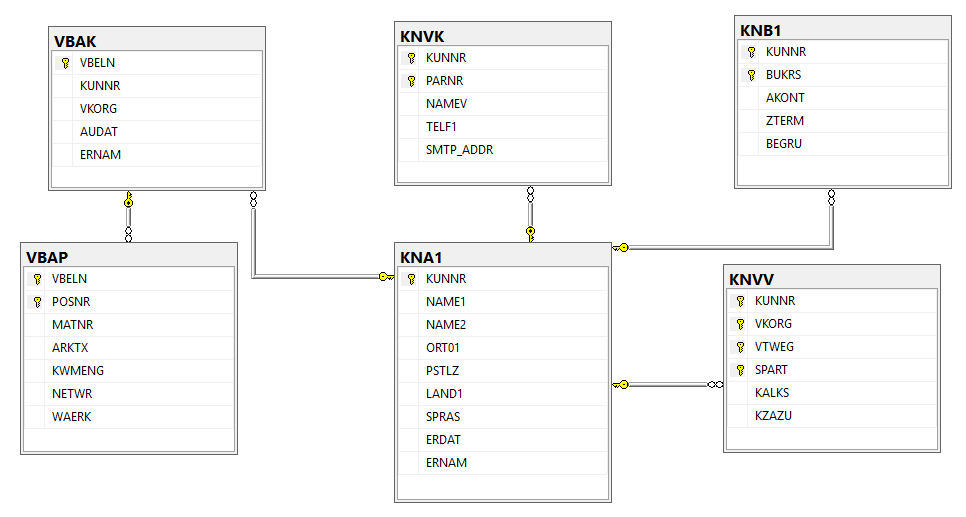
SAP began life in 1972, all the data structures are German abbreviations designed for Mainframes, and they have never had a comprehensive rewrite. This means they need an interpretation layer called an Ontology, or Semantics Layer. The Ontology is a workaround required because of their crappy design. We are all numb to this need. Of course we need another layer of detritus to add to the Labyrinth.
Thinking like a data engineer, the idea that you need an external information system (which is what an Ontology is) to make your crappy information system readable by a machine is the absolute definition of failure. This should be the nail in the coffin of any system. And the fact that SAP believes that their ontology is an acceptable workaround tells you everything you need to know about their acceptance of code slop and complexity.
What about the smaller point solutions?
Over the past 30 years, Occam founder Steven Macleod has done autopsies on more than 1000 information system designs. He can tell you with absolute confidence that around 80% of all systems fail to consistently implement what he calls databases for dummies — referential integrity, normalisation and constraints. This is going to play absolute havoc when AI is applied. It’ll be impossible to budget for or implement any AI against this data. System implementations which now take twice as long as planned will take triple the time.
The modern data stack will help us.
The modern data stack is a group of analytical point solutions trying to obfuscate the poor data engineering of operational points solutions. In IT, we’ve become so inert to complexity, we don’t think twice about it. We accept that it currently takes 13 categories of software to convert operational data to analytical data. Yet the only difference between the two is a change in the performance tuning of each.
The opportunity
Data engineering is only about 25 years old, a brand new engineering discipline, and it shows. It’s an end-to-end solution, but it’s clunky as hell: a patchwork of cost, time delays and complexity. Agentic AI is going to expose the horror of what has been developed.
The opportunity before us is Data 2.0 and New Zealand is exactly the right size to pull this off. Data 2.0 is what is needed to make Agentic AI add real productivity, to optimise its performance for the customer AND equally optimise its performance for energy consumption.
Data 2.0 puts the ontology at the centre of the engineering process and builds out from there. Data 2.0 is AI native, not because AI is the latest bubble, but because good clean data engineering with repeatable patterns that make sense and reflect reality naturally lends itself to AI, as well as data entry, IoT, reporting and analytics.
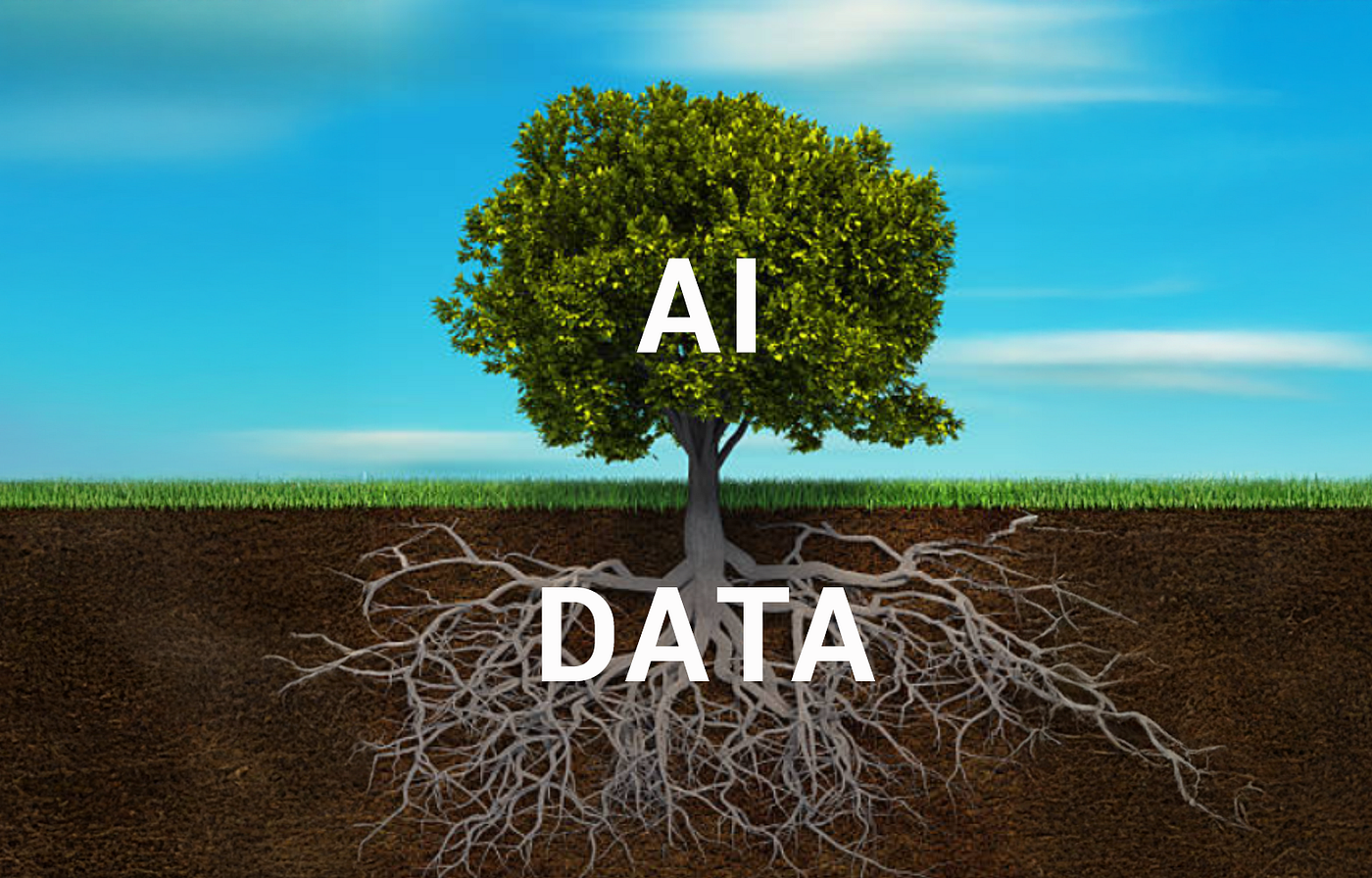
While New Zealand is well placed to dominate specialised verticals, this plan is about dominating the data layer, horizontally. While the rest of the world focuses their resources on ‘foundational AI’, New Zealand focuses on ‘the foundation of AI’.
My call to action is for New Zealand Inc to come together and seize the monumental opportunity that Data 2.0 brings.
Written by: Steven Macleod / Founder / Occam Software Ltd.
Steven is a leading authority in data modelling, with over 20 years of experience analysing the root causes of information system failure. Having examined more than 1,000 different systems, he discovered that the most common (and almost universally overlooked) reason for failure lies in flawed, outdated data models. Occam solves this problem with innovative IP that’s set to transform enterprise IT.